




In today’s digital age, upgrading your laptop often means deciding what to do with the old one. With millions of devices entering the second-hand market annually, sellers face a crucial choice: opt for peer-to-peer marketplaces like eBay or Swappa, where you handle transactions directly, or turn to specialized online trade-in services like Gadget Salvation, which streamline the process through a centralized platform. While peer-to-peer sites offer potential for higher profits, they come loaded with risks, including rampant scams that can leave sellers out of pocket or entangled in disputes. In contrast, trade-in services prioritize safety and convenience, making them a superior choice for risk-averse individuals. Drawing from real user stories on Reddit, legal cases, and platform analyses, this article explores why Gadget Salvation stands out as a safer, more hassle-free alternative to eBay and Swappa.
The Allure and Pitfalls of Peer-to-Peer Marketplaces
Peer-to-peer platforms like eBay and Swappa empower sellers to connect directly with buyers, potentially fetching higher prices through auctions or fixed listings. However, this direct interaction opens the door to fraud, disputes, and time-consuming management, often turning what should be a simple sale into a nightmare.
eBay, founded in 1995, remains a giant in online auctions with over 132 million active buyers worldwide. The selling process is straightforward: create an account, list your laptop with photos and descriptions, set a price or auction, and ship once sold. eBay charges insertion fees (free for up to 250 listings monthly) and a final value fee of about 13.25% plus $0.30 per order. Buyer protections include the Money Back Guarantee, which covers issues like items not received or not as described. For sellers, eBay offers some safeguards, such as requiring verified PayPal accounts and dispute resolution tools. However, these measures fall short against sophisticated scams.
Scams on eBay are notorious, particularly for high-value items like laptops. Common tactics include buyers claiming the item never arrived (despite tracking), returning empty boxes or damaged goods, or using stolen payment methods that lead to chargebacks. Reddit is rife with horror stories. One seller recounted shipping a laptop only for the buyer to initiate a return two months later, claiming it was defective, resulting in a forced refund despite evidence of tampering. Another described a buyer threatening lawsuits after receiving the item, escalating to small claims court over alleged misrepresentation, leaving the seller stressed and out of legal fees. Overseas scams are prevalent too, with sellers advised to avoid international shipping due to fraud risks.
eBay’s history includes lawsuits highlighting systemic issues. In 2023, sellers filed complaints about eBay’s handling of fake tracking scams, where buyers use bogus delivery confirmations to claim non-receipt. A notable case involved eBay facing scrutiny in a class-action lawsuit over inflated shipping fees and inadequate fraud prevention, with sellers alleging the platform prioritizes buyers, leading to unchecked scams. The U.S. Department of Justice even charged eBay executives in 2020 for cyberstalking critics, underscoring a culture that sometimes overlooks user safety. These incidents erode trust, making eBay a high-risk option for novice sellers.

Swappa, launched in 2010, positions itself as a safer alternative for tech gadgets, focusing on phones, laptops, and tablets. The process involves verifying your device via IMEI/ESN checks (for phones), creating a listing with photos, and awaiting moderation approval. Listings are free, but both buyer and seller pay a 3% fee upon sale, with payments via PayPal. Swappa bans junk items and requires detailed listings, aiming to reduce fraud through human moderation and PayPal protections.
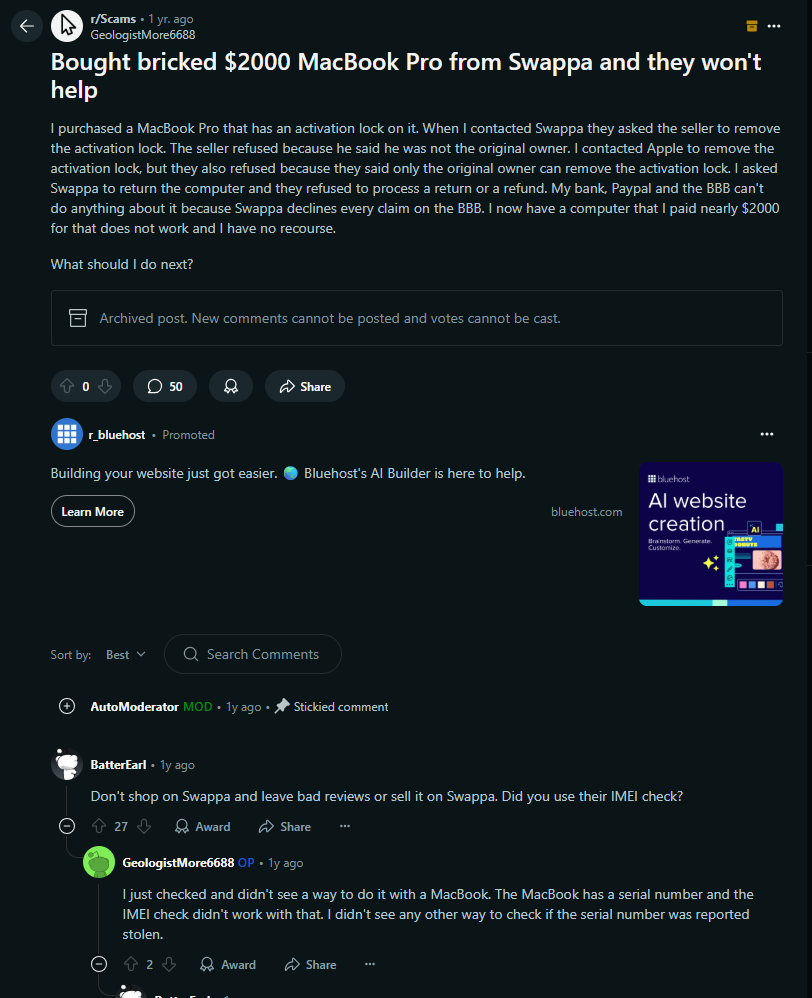
Despite these efforts, Swappa isn’t scam-proof. Reddit users report issues like receiving bricked laptops with activation locks, where sellers refuse to cooperate, and Swappa’s support falls short. One buyer described purchasing a $2,000 MacBook Pro that arrived dirty and non-functional, with Swappa siding with the “Enterprise Seller” despite evidence. Another seller faced a buyer demanding returns despite “no returns” policies, leading to PayPal disputes. Scams often involve misrepresented conditions or post-sale issues, with users warning that Swappa’s protections are template-based and inadequate for high-value sales. While fees are lower than eBay’s, the peer-to-peer nature still exposes sellers to chargebacks and buyer fraud.
In both platforms, the risk stems from direct dealings: sellers must navigate disputes, shipping liabilities, and potential non-payment, often without guaranteed recourse.
The Safer, More Convenient Path: Online Trade-in Services Like Gadget Salvation
Enter online trade-in services, which eliminate peer interactions by buying your device directly. Gadget Salvation, specializing in laptops and gadgets, exemplifies this model with a risk-free, user-centric approach.
The process is effortless: Visit their site, select your laptop model (e.g., Asus or Acer), detail its condition, and get an instant quote based on market data from eBay, Amazon, and Rakuten. If accepted, receive a prepaid UPS shipping label, pack, and ship. Upon receipt, their team inspects the device; if the quote holds, payment arrives within two business days via PayPal, Venmo, Check, or Zelle. If a revision is needed, they email an updated offer—you can accept or get your item back free via UPS. This inspection ensures accuracy, and the factory reset during testing protects your data.
What makes Gadget Salvation risk-free? Unlike eBay or Swappa, there’s no buyer-seller interaction, eliminating scams like fake claims or chargebacks. The company assumes all risks post-shipment, with insured packages and traceable tracking. No haggling, no disputes— just a guaranteed transaction. If you disagree with revisions, free returns mean zero loss. This contrasts sharply with peer platforms, where sellers often foot return shipping or lose in arbitrations.
Convenience is another hallmark. Prepaid labels remove upfront costs, and the quick payout (versus waiting for auctions or buyer confirmations) appeals to those needing fast cash. Text-to-sell options via (312) 588-6220 add accessibility. For safety, secure payments and professional handling minimize fraud exposure, ideal for sellers wary of Reddit’s cautionary tales.

Head-to-Head Comparison: Risks vs. Rewards
Comparing the trio, eBay offers vast reach but at the cost of high fees (13%+) and scam vulnerability, with Reddit users lamenting endless disputes. Swappa’s tech focus and lower fees (3%) provide better margins, but moderation doesn’t prevent all fraud, as seen in activation lock scams. Gadget Salvation may yield slightly lower quotes (market-based but without auction highs) yet excels in safety and speed—no listings, photos, or buyer negotiations required.
For profits, peer sites win if you’re experienced and patient; a pristine laptop might fetch 20-30% more on eBay. But for most, the time (listing, monitoring) and risks outweigh gains. Lawsuits and bad experiences underscore this: eBay’s legal entanglements highlight systemic flaws, while Swappa’s hands-off support leaves users frustrated.
Making the Right Choice
Ultimately, if maximizing every dollar matters and you’re scam-savvy, eBay or Swappa could work— but prepare for headaches. For convenience and peace of mind, Gadget Salvation is superior, turning selling into a seamless, risk-free endeavor. As online marketplaces evolve, services like this democratize safe trading, protecting sellers from the pitfalls that plague peer platforms. Whether ditching an old Acer or upgrading from Asus, prioritize safety— your wallet (and sanity) will thank you.

Tech enthusiast and digital storyteller with a passion for demystifying the world of gadgets, software, and emerging technologies.