The Carbon Footprint Of An Apple iPhone 11
Starting with the iPhone 11, Apple has shifted its focus heavily toward making an energy-efficient product. This means that renewable materials and/or renewable energy…
In this article
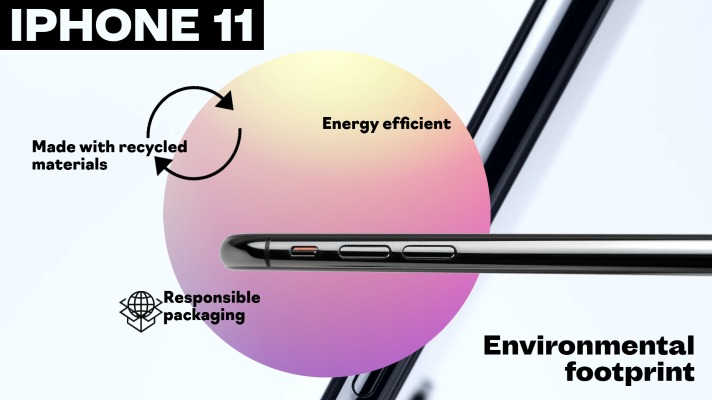
Starting with the iPhone 11, Apple has shifted its focus heavily toward making an energy-efficient product. This means that renewable materials and/or renewable energy are now being used in the manufacturing process. By doing so, Apple has made substantial progress in reducing its negative impact on the climate.
To identify and implement opportunities to reduce product greenhouse gas emissions, Apple introduced a life cycle assessment (LCA) method. This method was developed to record and analyze the environmental impact of production.
How is an iPhone 11 Made?
According to Apple, iPhone 11 is its first smartphone made with 100% recycled rare minerals. One of the reasons why people around the world love iPhones so much is that they are made with high-quality components. Without compromising the quality, Apple reports a 100% reuse of tin in the solder of the iPhone 11 logic board. Plus, the tactic engine production uses 100% recycled rare earth minerals.
Besides, all final iPhone 11 assembly suppliers pledge to use 100% sustainable energy usage involving all and any Apple production. Which means the iPhone 11 might have become the first energy-efficient smartphone. Just how efficient is it? It consumes exactly 40% less energy than the Department of Energy recommends for battery-charging systems.
Materials in iPhone 11 & Outer Packaging
Apple commits to manufacturing its iPhones without using harmful elements like PVC, mercury, phthalates, arsenic in the display glass, and beryllium. We suggest checking our cell phone recycling piece, where we discuss the dangers of these materials.
It is worth noting that iPhone 11 boxes are made with fiber-based cardboard, which can be recycled. Moreover, Apple is working towards eliminating plastic usage, increasing recycled content in its product packaging, and reducing packaging altogether. The wood fiber used for outer box production is 100% recyclable and/or sourced from sustainably managed forests. Apple has patronized enough of these types of forests to ensure sufficient regrowth and fully cover its need for wood fiber production.
Energy Usage
As mentioned above, iPhone 11 consumes 40% less energy than the US accepted standard. Apple accomplishes this by implementing high-tech software paired with power-efficient hardware components to halt and effectively manage power consumption. The company is committed to thorough product testing before they hit the market, as well as providing post-sale support and maintenance services. This is being done to ensure a sufficient lifespan for all their devices, including iPhones.
iPhone 11 Safety Standards
Apple aims to reduce raw material use and eventually manufacture its iPhones with 100% recyclable materials, from start to finish. The company has developed a rigorous set of standards for its manufacturing process to protect the environment. Those standards go far beyond legal requirements and must be followed by all partnering companies, whether suppliers, contractors, or distributors.
Brand Value
Apple is ranked high amongst the most valuable brands for a reason. It’s all about the feeling, the message behind Apple products, and, of course, style. Yet sustainability has become one of the defining parts of Apple culture. Why? Because it resonates with consumers more now than ever before.
The company has recognized the importance of a greener lifestyle. They take concrete steps to address environmental issues. And by doing so, Apple is setting an example for other manufacturers. As a result, people choose to buy iPhones not only because they look cool but also because they are made with sustainable components and built to last.
iPhone 11 End-of-Life Processing
Apple shows commitment to its product even after it reaches the end of its useful life. They offer a Trade-in program that not only provides users a convenient way to upgrade but also allows the company to source back those reusable components, thereby decreasing raw materials mining rates.
Bottom Line
E-waste is a pressing issue, and it appears that Apple is leading the way in addressing the environmental crisis through manufacturing eco-friendly phones. Apple has also rolled out a trade-in program, which is great for long-time Apple fans, as it allows them to recycle their older devices in exchange for a store gift card.
But what about non-iPhone users looking for sustainable ways to switch? Gadget Salvation can help you recover some cash value out of your used phone, or even a laptop or tablet. Visit our site and see how much your iPhone trade-in can yield.